
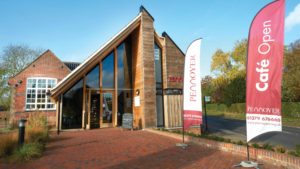
The Pennoyer Centre is an inspiring venue and museum dedicated to supporting South Norfolk communities and businesses. The Centre’s unique architecture and relaxed feel creates the perfect background for events and business meetings. The licensed Cafe @ Pennoyers uses locally-sourced food, serving specialist coffees and teas, delicious home-made cakes and daily specials. The café also offers on-site catering for private functions and business meetings at the Pennoyer Centre.

Discover what events are on this month

Be part of something amazing and help support the Pennoyer Centre

Inspiring spaces with free parking, WIFI and accessibility for all
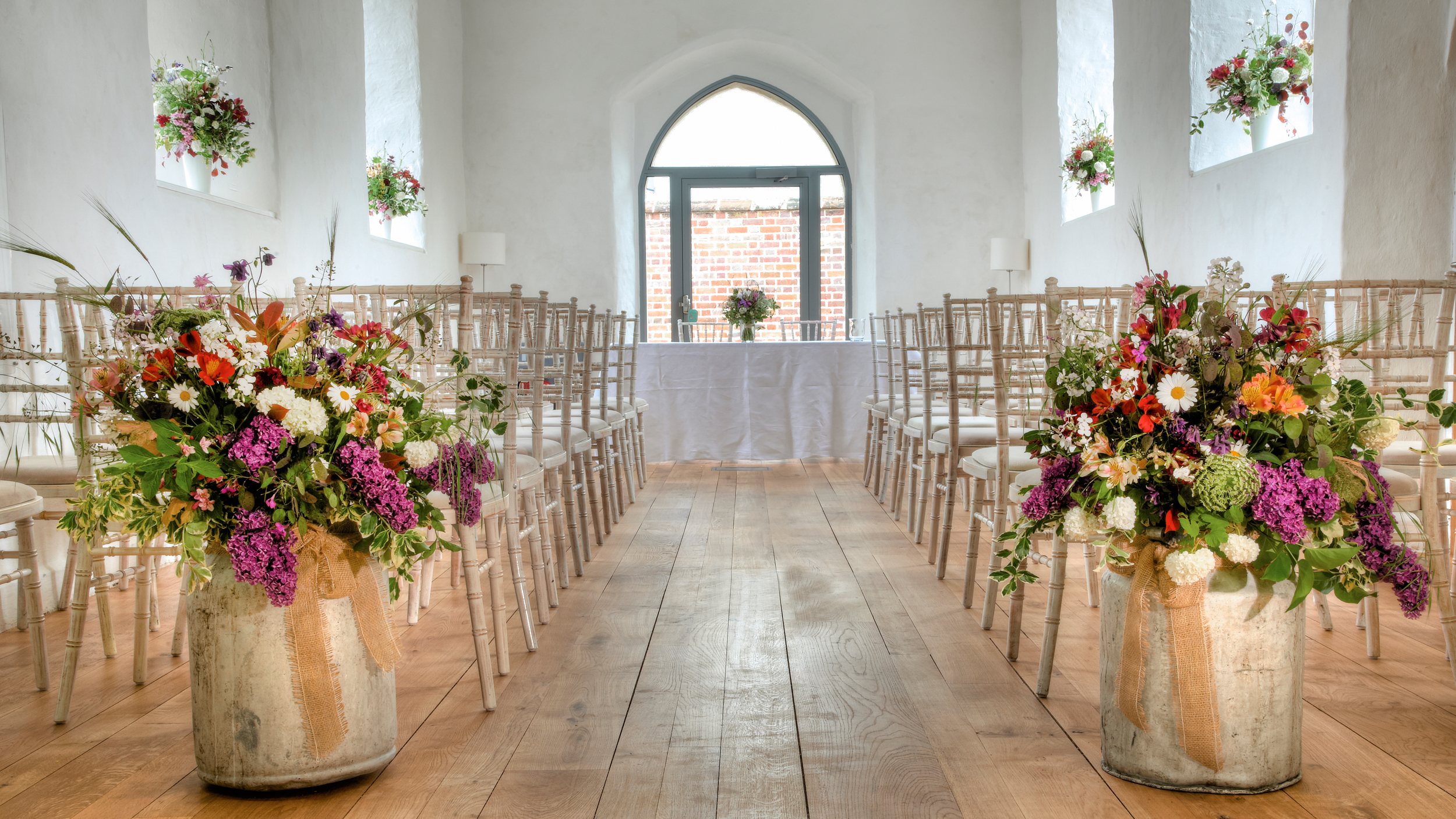
Discover how we can make your special day incredible at the Pennoyer Centre

The perfect venue for those looking for a distinct and elegant venue for their private event

Step into South Norfolk’s history. You’ll be astounded at what you uncover!
What's On
From film nights and quiz evenings to special family events and heritage exhibitions — we’ve got your entertainment covered!

Film Night - The Miracle Club (12)
April 19th @ 19:30

NEW - Comedy Night with 'Shaft of Wit'
April 27th @ 19:30
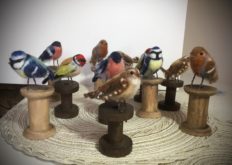
Fluffology Needle Felt Workshop - Garden Birds
May 3rd @ 09:30

May 5th @ 04:00
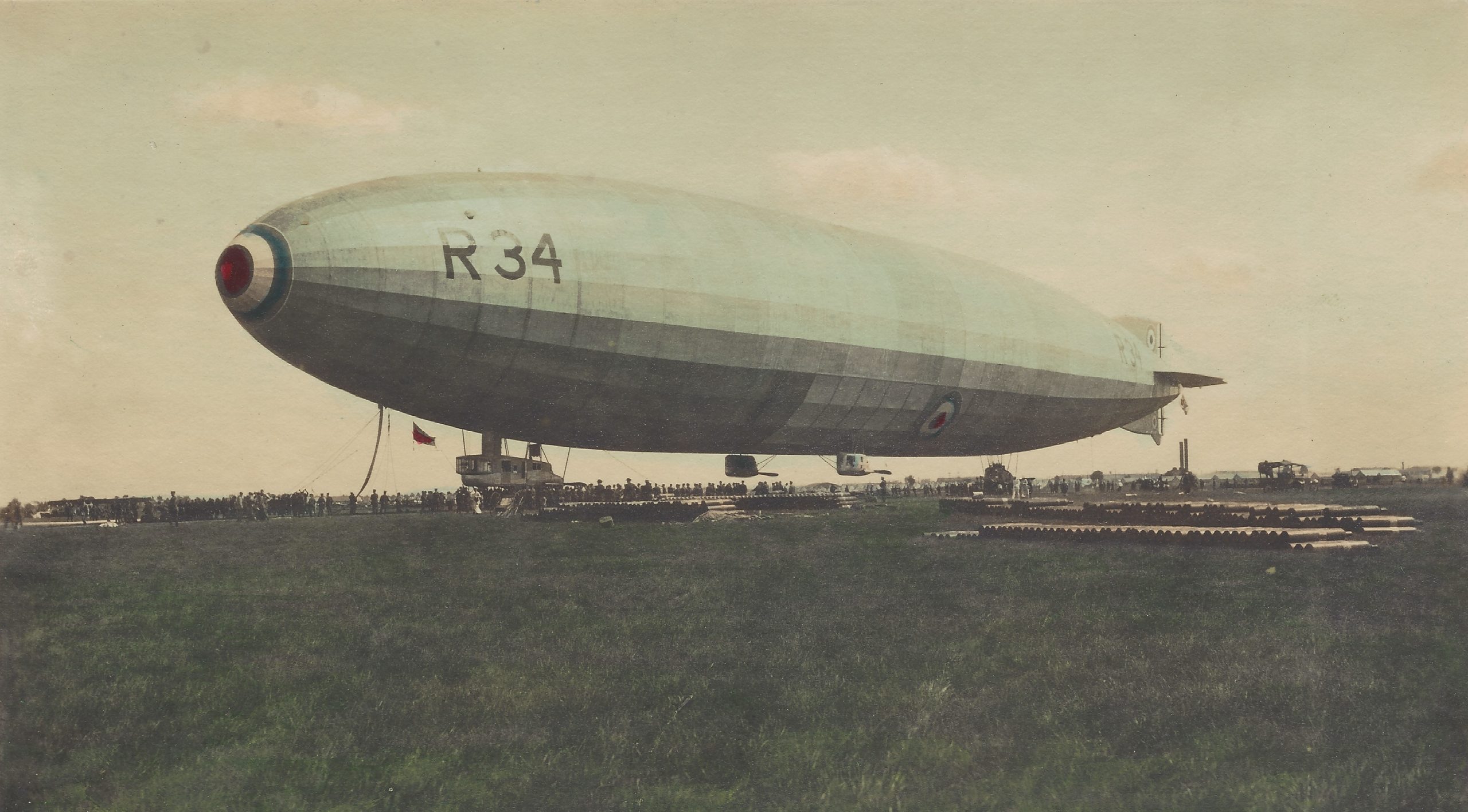
Pulham Airship Talk - The Pulham Pigs
May 16th @ 19:30
Thank You!
The Pennoyer Centre is a Charity and relies on fundraising and donations to support its work and maintain its unique building. We very much appreciate the generosity of our volunteers and supporters. Discover how you can join our fab team of volunteers or learn how to support us through sponsorship and donations.


The Pennoyer Centre Charity (No. 135788) relies on fundraising and donations to support its work and maintain its unique heritage building.